Choosing the Right Water Heater for Your Centerville Home: A Local Expert’s Guide
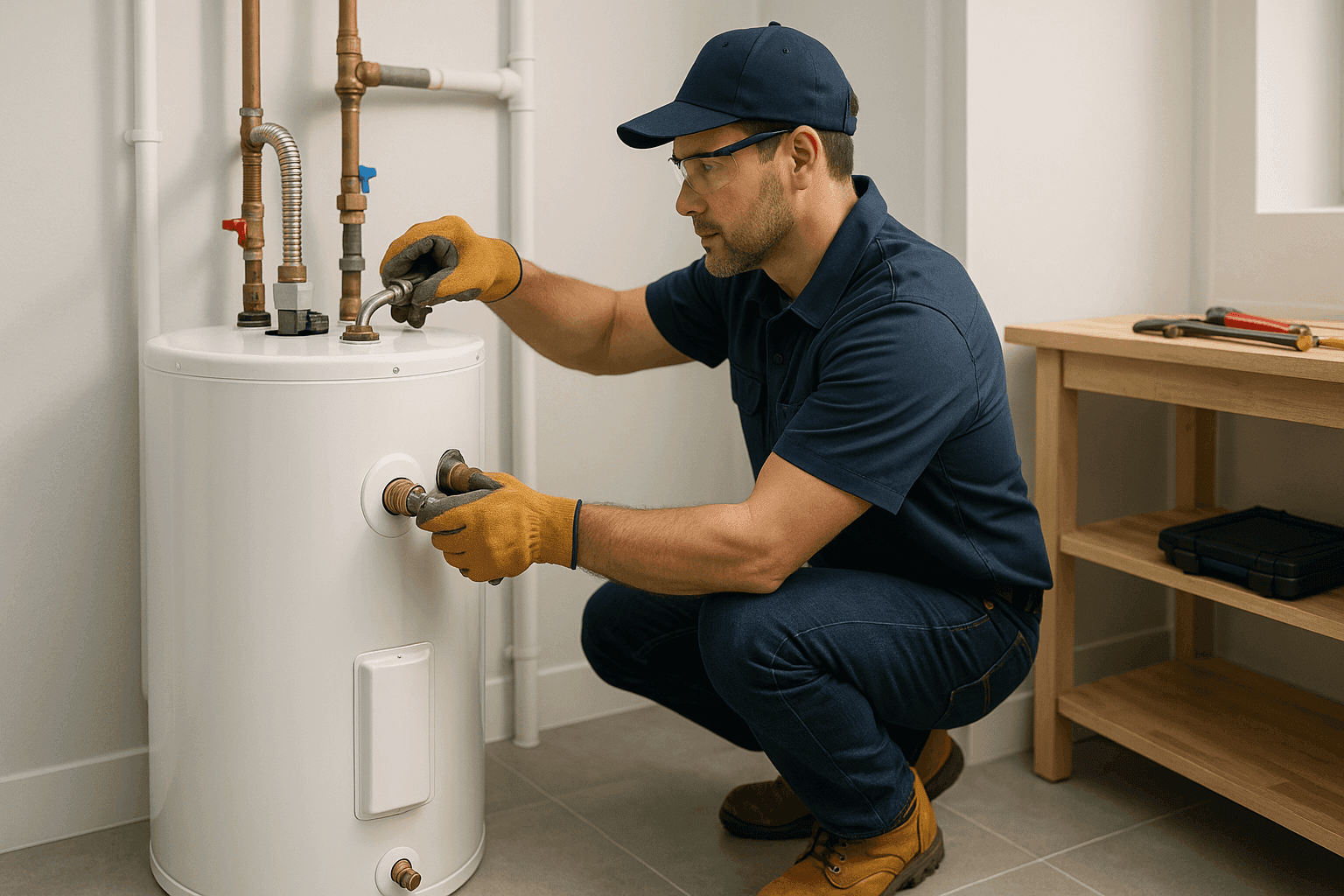
Are you waking up to chilly showers or suddenly high energy bills? If your water heater is old, underperforming, or making odd noises, it’s probably time to start thinking about a replacement. At Right Way Plumbing, we know how essential reliable hot water is—especially during those cold Centerville winters.
Choosing a water heater isn’t just about picking the biggest tank or the fanciest model. It’s about understanding your home, your needs, and our unique Utah water. Let’s break down what matters most.
Types of Water Heaters for Centerville Homes 🛁
Picking a water heater is a lot like buying shoes. The wrong size or style just won’t work for your family. Here are the main types Centerville homeowners consider:
- Traditional Tank Water Heaters: These are the classic models. They store hot water in a large tank and keep it ready for use. They’re reliable, budget-friendly, and easy to maintain.
- Tankless (On-Demand) Water Heaters: No tank here. Water heats instantly as it flows through. You get endless hot water and improved efficiency—great for families who never want to run out mid-shower.
- Hybrid (Heat Pump) Water Heaters: These combine conventional heating with heat pump technology, using less electricity. They’re efficient and eco-friendly but need a bit more space.
- Condensing Water Heaters: Perfect for homes with natural gas. They reuse exhaust gases for extra heating power, making them efficient for bigger households.
- Solar Water Heaters: Using the power of the sun, these are rare but can save money over time. They work best as part of a hybrid system.
Each type has pros and cons. The right fit depends on your family size, energy goals, and even Centerville’s water quality.
Key Factors: Water Hardness, Family Size, Efficiency
Centerville’s water is known for being hard. That means more minerals—like calcium and magnesium—that can clog or damage water heater parts over time. Think of it as plaque building up in your pipes. Here’s what else you need to consider:
Water Hardness
- Hard water shortens water heater lifespan.
- It causes scale buildup, leading to less efficiency and possible leaks.
- Consider adding a water-filtration-system if you’re installing a new unit.
Family Size
- More people = more demand for hot water.
- Rule of thumb: 40-50 gallons for 2-4 people; larger tanks or multiple units for bigger households.
- Tankless heaters can be sized to your busiest times (think: multiple showers at 7am).
Energy Efficiency
- Newer models use less power, saving you money each month.
- Look for the ENERGY STAR label.
- Tankless and hybrid models are generally most efficient, but installation may cost more upfront.
Signs It’s Time to Replace Your Water Heater
Sometimes your water heater whispers. Sometimes it shouts. Watch for these warning signs:
- Water turns lukewarm or cold quickly.
- Rusty or tinted water from hot taps.
- Strange noises—popping, rumbling, or banging.
- Leaks or puddles near the base.
- Age: Most tank heaters last 8-12 years (less with hard water).
If you notice any of these, it’s smart to have a plumber inspect your system. Don’t wait for a flooded basement.
Why Professional Installation Matters
Installing a water heater isn’t like swapping out a lightbulb. Here’s why hiring a licensed Centerville plumber matters:
- Proper Sizing: We calculate your actual hot water needs. Too small, and you’ll run out. Too big, and you waste energy.
- Code Compliance: Utah plumbing codes and safety standards (referenced by the International Code Council and Utah Division of Occupational and Professional Licensing) require specific venting, clearances, and connections.
- Warranty Protection: Many manufacturers void the warranty if a licensed pro doesn’t install the unit.
- Safety: Gas, electric, or hybrid—water heaters involve dangerous voltages and flammable gas. Mistakes can be deadly.
A professional plumber also checks for leaks, tests for carbon monoxide on gas units, and ensures your system is up to spec.
Quick Safety Checklist Before Replacing Your Water Heater
- Turn off power (breaker or gas supply).
- Shut off water at the main valve.
- Clear the area for easy access.
- Have a fire extinguisher nearby (especially with gas units).
- Don’t attempt major repairs unless you’re trained—call a pro.
Practical Tips for Centerville Homeowners
- Flush your tank once a year to remove mineral buildup.
- Install a leak detection system (see Leak Detection in Centerville, UT) to catch drips early.
- If your water heater is near living space, consider a drain pan and alarm.
- Ask about recirculation pumps for instant hot water at any tap.
When to DIY vs. Call a Pro
Changing a thermostat or tightening a loose fitting is one thing. Handling gas lines, electrical work, or entire heater replacement is another. If you’re unsure, it’s always safer—and less costly long-term—to hire a licensed plumber.
What Local Pros Do On Arrival
When you call Right Way Plumbing, here’s what happens:
- We inspect your current system and water quality.
- Check for code compliance and safety issues.
- Recommend the right size and type for your home and budget.
- Remove the old unit and handle all disposal.
- Install the new heater, test it, and show you how it works.
- Clean up—leaving your utility room spotless.
Prevention & Maintenance
Want your water heater to last longer? Follow these steps:
- Schedule annual maintenance checks.
- Install water filtration or softening if you have hard water.
- Test your pressure relief valve every six months.
- Check for leaks, corrosion, or strange sounds monthly.
Regular maintenance can add years to your system’s life and help avoid emergency calls in the dead of winter.
Costs & Time Factors
No two homes or installations are the same. Here’s what affects cost and timing:
- Type of heater (tank, tankless, hybrid)
- Size and capacity
- Plumbing or electrical upgrades needed
- Permit and inspection requirements
Typical installations take 2–5 hours for tank models and up to a day for tankless or hybrid systems. Always get a detailed estimate before work begins.
When It’s an Emergency
A leaking water heater can flood your basement fast. If you see water pooling or smell gas, shut off the supply and call a plumber immediately. Don’t risk injury or further damage.
FAQ: Water Heater Questions from Centerville Homeowners
Q: How long should my new water heater last in Centerville? A: With hard water, expect 8–10 years for tank models. Tankless units can last up to 20 years with regular maintenance.
Q: Can I install a water heater myself? A: Legally, most cities require licensed plumbers, especially for gas or electric work. DIY could void your warranty and insurance.
Q: Will a filtration system help my water heater last longer? A: Yes! Filtering out minerals reduces scale and corrosion, helping your heater perform better and last longer.
Q: Do I need a bigger water heater if my family grows? A: Not always. Sometimes a recirculation pump or tankless unit is a better solution. We can help you size up or add capacity.
Local and Seasonal Considerations
Centerville’s cold winters mean your water heater works extra hard. Insulate pipes and check for drafts in your utility room. Hard water means more frequent flushing or filter changes. Ask your plumber about local rebates for energy-efficient models.
Related Plumbing Services
Looking for more help with your Centerville plumbing? See our services:
Ready for Reliable Hot Water?
Don’t let a failing water heater ruin your morning. For professional advice and installation done the right way, reach out to your local team.
Call Right Way Plumbing now — or reach us anytime at (385) 433-4773 .