Centerville Homeowner’s Guide to Preventing Costly Winter Plumbing Leaks
Centerville winters can be harsh. The snow looks beautiful from your window—but beneath your floors and behind your walls, cold temperatures can quietly turn everyday plumbing into a ticking time bomb. Every year, families in our community face costly water damage that could have been prevented with a little know-how and timely action.
At Right Way Plumbing, we’ve seen firsthand how fast a frozen pipe can ruin a holiday, a basement, or an entire week. Let’s walk through the real risks, easy prevention steps, and what to do if winter turns your pipes into a plumbing nightmare.
Why Pipes Burst in Utah Winters 🥶
Water is sneaky. When it gets cold, it expands—just like a soda left in the freezer. Pipes, especially older or uninsulated ones, can’t always handle that extra pressure. When water inside a pipe freezes, it pushes outward, sometimes causing the pipe to split. Once it thaws, water gushes out, soaking insulation, drywall, and anything else in its way.
Centerville gets its fair share of sub-zero nights. Homes with pipes running through crawl spaces, garages, attics, or along exterior walls are most at risk. The older your home, the greater the chance that insulation has settled or pipes have shifted, leaving hidden weak spots.
How to Find Vulnerable Pipes
- Unfinished basements: Check for exposed pipes near foundation walls.
- Outside hose bibs: These are notorious leak-starters if not winterized.
- Under sinks: Cabinets on exterior walls feel colder? Pipes there are at risk.
- Garage or crawl space plumbing: Pipes here often lack proper insulation.
- Attics: Pipes in unheated attics can freeze even when the rest of your house is warm.
Walk through your home with a flashlight. If you feel a draft or see daylight near plumbing, that’s a trouble spot. Don’t ignore pipes in less-used rooms—guest bathrooms and laundry areas can freeze before you even notice.
DIY Insulation & Draining Tips
Preventing a burst pipe isn’t rocket science. A handful of simple steps can protect your home:
- Install foam pipe sleeves or wrap with fiberglass insulation on all exposed pipes.
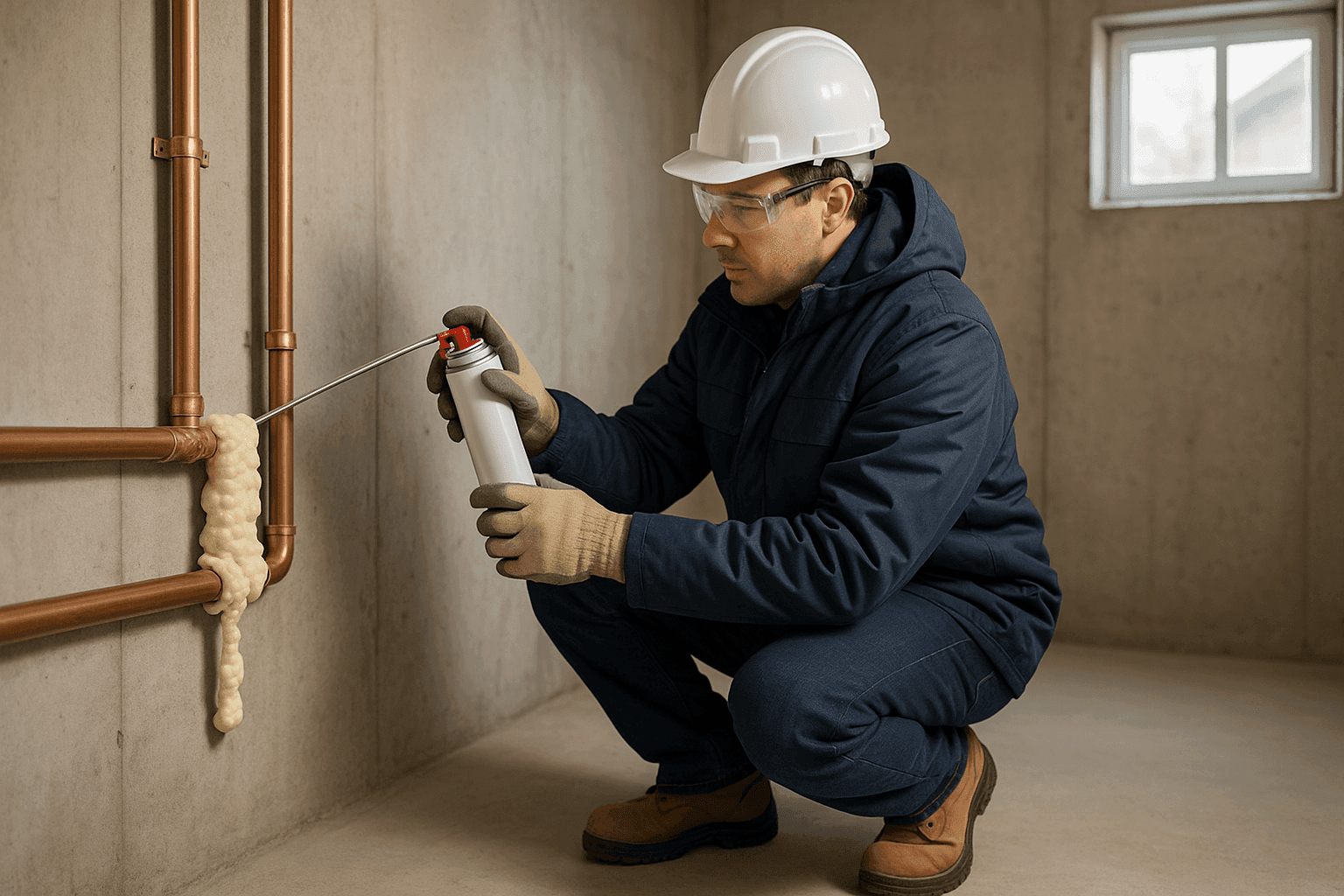
- Seal up gaps: Use caulk or spray foam around holes where pipes enter walls.
- Disconnect and drain outdoor hoses; install insulating covers on hose bibs.
- Let faucets drip in extreme cold. Moving water is less likely to freeze.
- Open cabinet doors under sinks to let warm air circulate around pipes.
- Drain sprinkler and irrigation lines before the first deep freeze.
What to Do If a Pipe Freezes
Spot a pipe that feels icy or isn’t flowing? Don’t panic.
- Turn off the water supply to minimize damage if it bursts.
- Gently warm the pipe: Use a hair dryer or towels soaked in hot water—never a blowtorch or open flame.
- Start from the faucet and work toward the coldest part of the pipe.
- Call a licensed plumber if you can’t restore flow or if you see cracks.
Never ignore a frozen pipe. Sometimes it’s the thaw, not the freeze, that causes the biggest flood.
Signs of Trouble Before a Major Leak
Acting early can mean the difference between a quick fix and a flooded basement. Watch for:
- Sudden drop in water pressure or trickling faucets
- Frost or condensation on pipes
- Damp drywall, unexplained puddles, or musty odors
- Noisy banging or clanging when you turn on taps
If you spot any of these, it’s time to call for Leak Detection in Centerville, UT.
Your Winter Plumbing Safety Checklist ✅
- Inspect exposed pipes and insulate as needed
- Drain outdoor faucets and irrigation systems
- Seal foundation cracks and utility openings
- Check your thermostat—never let home temps dip below 55°F
- Schedule preventative maintenance before the first freeze
These steps take minutes. They can save you thousands.
DIY Fixes vs. When to Call a Pro
Some jobs fit in a Saturday afternoon. Others need a licensed hand.
When DIY Works
- Installing pipe insulation or faucet covers
- Opening cabinets and letting faucets drip
- Sealing minor gaps around pipes
When You Need a Plumber
- No water flow or visible ice blockages
- Leaking, cracked, or noisy pipes
- Evidence of water damage or mold
- Pipes in hard-to-reach or dangerous areas (crawl spaces, attics)
A licensed plumber trained in Utah’s unique building codes can spot hidden risks you might miss.
What Pros Do On Arrival
When you call Right Way Plumbing for a winter leak or frozen pipe, here’s what you can expect:
- Careful inspection of exposed and concealed pipes
- Safe thawing techniques using UL-listed heat cables or warm air
- Pressure testing to find hidden leaks
- Pipe repair or replacement using materials rated for local conditions
- Advice on long-term fixes and code-compliant insulation
We follow safety guidelines from the Utah Plumbing Code and national safety authorities to protect your home and family.
Prevention & Maintenance: The Best Investment
Think of prevention as a warm coat for your house. Regular checks and a bit of insulation go a long way. Here’s what we recommend:
- Yearly inspection of all plumbing systems
- Immediate repair of even small leaks
- Upgrading old pipes to modern, insulated materials
- Adding shut-off valves in accessible locations
- Regular backflow testing for added safety
Winterize now, not after the first snowstorm.
Costs & Time Factors: What to Expect
No one likes unpleasant surprises—especially on a cold winter morning.
- Insulating a few pipes: Can be done in a few hours with minimal materials.
- Professional leak detection: Typically completed within a visit, depending on house size.
- Repairing a burst pipe: May require cutting drywall, drying out spaces, and replacing pipe sections; this can take a day or more.
- Water damage remediation: Costs rise quickly if leaks go undetected.
The longer you wait, the bigger the fix.
When It’s an Emergency
Water pouring through your ceiling? Shut off your main water valve immediately. Move valuables out of harm’s way. Call Right Way Plumbing for emergency plumbing services—speed matters.
- Don’t try to thaw pipes with open flames.
- Don’t ignore water stains or “just a little drip.”
- Know where your main shut-off valve is before you need it.
FAQ: Winter Plumbing in Centerville
Q: How cold does it need to get to freeze pipes?
A: Problems usually start below 20°F, but wind and drafts can freeze pipes at higher temps.
Q: How can I tell if my pipes are insulated well enough?
A: If you can see bare pipe in an unheated area, add insulation. If you’re unsure, ask a licensed plumber for an inspection.
Q: What should I do if I’m leaving town for the holidays?
A: Set your thermostat to at least 55°F, shut off the main water, and drain faucets if possible.
Q: Are heat tapes safe?
A: Only use UL-listed heat cables, installed according to manufacturer instructions and local code.
Local/Seasonal Considerations for Centerville, UT
Centerville’s mix of older and newer homes brings unique plumbing challenges. Homes built before 1990 may have pipes that are more prone to freezing, and our lake-effect storms can drop temps in a hurry.
Keep an eye on local weather alerts. When deep freezes are predicted, double-check your home’s vulnerable areas.
Related Services for Winter Plumbing Protection
- Leak Detection: Fast, non-invasive help for hidden leaks.
- Pipe Repair & Preventative Maintenance: Solutions to keep your plumbing winter-ready.
Don’t wait for a burst pipe to make winter memorable for all the wrong reasons. Get ahead of the freeze. Call Right Way Plumbing now — or reach us anytime at (385) 433-4773 .